How Often Commercial Air Ducts Should Be Cleaned
People seeking how often commercial air ducts should be cleaned can rely on local service providers to assess their needs and perform professional duct cleaning.
If you’re a property owner wondering how often commercial air ducts should be cleaned, you’ve come to the right place. Maintaining clean air ducts is an important part of ensuring a healthy and efficient indoor environment. Regular cleaning can help reduce dust buildup, improve air quality, and support the overall performance of your HVAC system. For those managing commercial spaces or large properties, understanding the recommended cleaning frequency can lead to better maintenance practices and a more comfortable environment for tenants and employees alike.
Local contractors who specialize in air duct cleaning can provide tailored advice based on the specifics of your property, such as its size, usage, and environmental factors. They can help determine the appropriate schedule for cleaning, whether it’s seasonal, annual, or more frequent. Exploring this topic with the help of experienced service providers ensures that your air ducts stay in optimal condition, supporting a healthier, more efficient property. Keep reading to learn more about practical guidelines and how local experts can assist with your air duct maintenance needs.
- **Commercial air duct cleaning** - Businesses with high occupancy or ongoing HVAC use may need this service regularly to maintain air quality.
- **Air duct maintenance** - Facilities experiencing increased dust or allergy issues should consider professional cleaning to address buildup.
- **HVAC system cleaning** - After renovations or construction, local contractors can help remove debris that impacts how often commercial air ducts should be cleaned.
- **Duct inspection and cleaning** - Periodic assessments can determine if cleaning is necessary based on dust levels and system performance.
- **Air quality improvement services** - Environments with mold or pest issues often require more frequent duct cleaning to ensure proper airflow and safety.
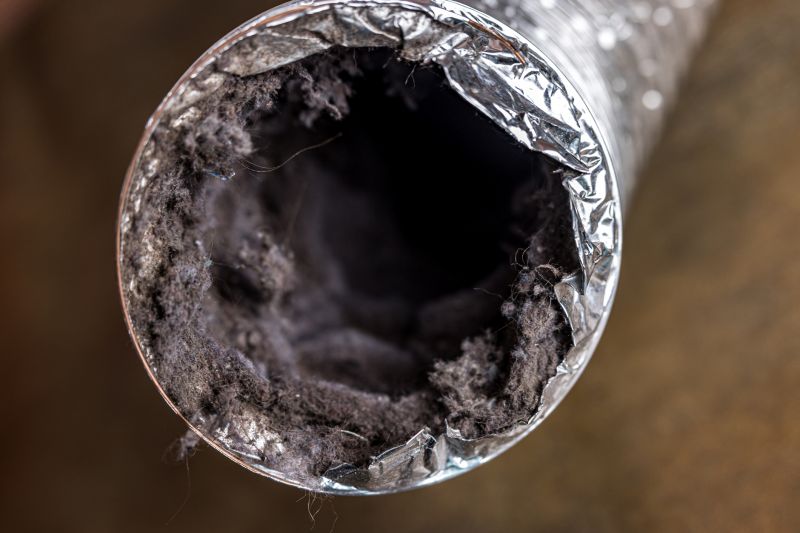
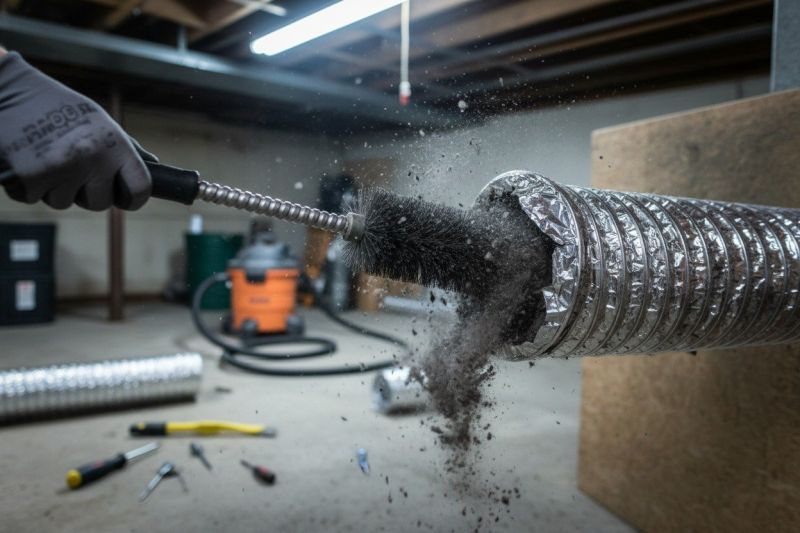

When searching for information about how often commercial air ducts should be cleaned, most people are looking to understand the recommended maintenance schedule for their business or facility. This topic often comes up in the context of maintaining indoor air quality, ensuring energy efficiency, or preparing for inspections and health regulations. Business owners, property managers, and facility operators want to know if regular cleaning is necessary to prevent issues such as dust buildup, mold growth, or pest infestations. They may also be planning a routine maintenance schedule or considering a deep clean after renovations or construction work. Connecting with local service providers helps ensure that the cleaning is performed at appropriate intervals, tailored to the specific needs of the property.
The question about how often commercial air ducts should be cleaned is closely related to common problems and operational plans within various types of properties. For example, buildings with high occupancy or heavy foot traffic tend to accumulate more dust and debris, making regular cleaning more critical. Facilities that handle sensitive equipment or have strict health standards, such as healthcare offices or food processing plants, often require more frequent duct maintenance. Additionally, properties that have experienced water damage, pest issues, or recent renovations might need to schedule cleaning sooner to prevent long-term problems. Local contractors can assess these factors and recommend a cleaning frequency that aligns with the property's specific conditions and operational goals.
Commercial properties that typically come up in discussions about air duct cleaning include office buildings, retail centers, restaurants, healthcare facilities, and industrial spaces. These properties often have complex duct systems that serve large areas or multiple zones, making regular maintenance essential for optimal performance. In some cases, the type of HVAC system, the presence of filters or air purification devices, and the overall cleanliness of the environment influence how often cleaning is needed. Business owners and property managers usually rely on local service providers to evaluate their spaces and develop a cleaning schedule that helps maintain air quality, improve energy efficiency, and comply with health standards.
Understanding how often commercial air ducts should be cleaned helps property owners plan maintenance effectively and avoid potential issues. While there is no one-size-fits-all answer, many experts recommend scheduling a professional cleaning every three to five years as a general guideline. However, properties with specific concerns-such as allergies, mold, or recent renovations-may require more frequent service. Local air duct cleaning contractors can perform assessments to determine the appropriate cleaning intervals based on the property's unique characteristics. By working with experienced service providers, property owners can ensure their air systems operate efficiently, maintain a healthier indoor environment, and reduce the risk of costly repairs caused by neglected duct maintenance.
HVAC System Maintenance - HVAC maintenance projects often involve cleaning ductwork and air filters, making them closely related to commercial air duct cleaning and understanding how often these services should be performed.
Commercial Ventilation System Installation - Installing or upgrading ventilation systems requires planning and knowledge of ductwork, which aligns with the skills used in professional air duct cleaning services.
Indoor Air Quality Improvement - Projects focused on enhancing indoor air quality often include duct cleaning as a key step, emphasizing the importance of regular maintenance based on usage and environment.
Air Filter Replacement Services - Regular replacement of air filters complements duct cleaning efforts and helps determine maintenance schedules for how often commercial air ducts should be cleaned.
Building HVAC Inspections - Inspections of commercial HVAC systems assess ductwork and airflow, providing insights into when professional cleaning might be necessary to maintain optimal operation.
Commercial Dryer Vent Cleaning - Dryer vent cleaning involves similar tools and planning as air duct cleaning and highlights the importance of routine maintenance for safety and efficiency.
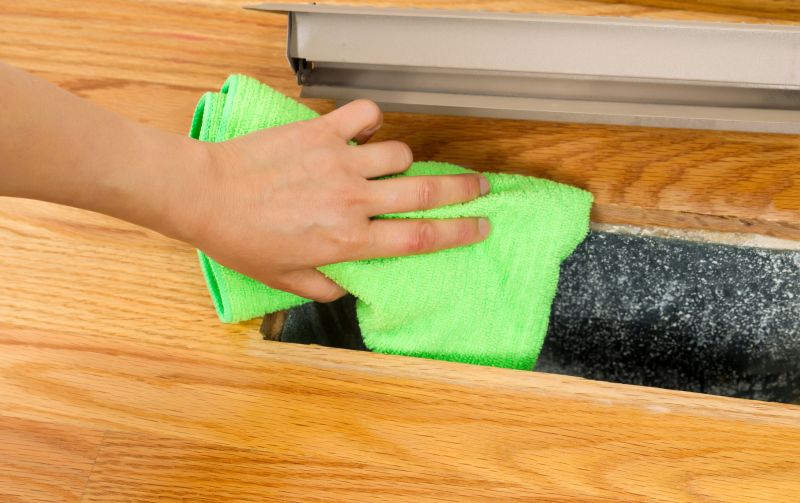
When evaluating service providers for commercial air duct cleaning, it is important to consider their experience with similar projects. Contractors who have a proven track record working with commercial spaces are more likely to understand the unique challenges and requirements involved. An experienced local contractor can bring valuable insights into how often commercial air ducts should be cleaned based on the specific type of business, the size of the space, and the level of usage. This familiarity can help ensure that the cleaning schedule aligns with industry best practices and the particular needs of the property.
Clear written expectations are essential when comparing local contractors for air duct cleaning services. A reputable provider should be able to outline what the cleaning process involves, what areas will be addressed, and what the client can expect in terms of results. Having detailed information in writing helps prevent misunderstandings and ensures that the scope of work is well-defined. It also allows property owners to compare proposals more effectively and choose a provider that offers transparency and clarity about their services.
Good communication and reputable references are key factors to consider when selecting a service provider. Local contractors who are responsive and willing to answer questions demonstrate professionalism and a commitment to customer service. Additionally, seeking references or reviews from previous clients can provide insights into the contractor’s reliability, quality of work, and adherence to schedules. These aspects help ensure that the chosen provider will be easy to work with and capable of delivering consistent results, supporting informed decisions about how often commercial air ducts should be cleaned to maintain a healthy and efficient environment.
Property owners often search for how often commercial air ducts should be cleaned when they are planning practical projects around their homes and businesses. Local pros provide Air Duct Cleaning services for everyday jobs and straightforward project options.
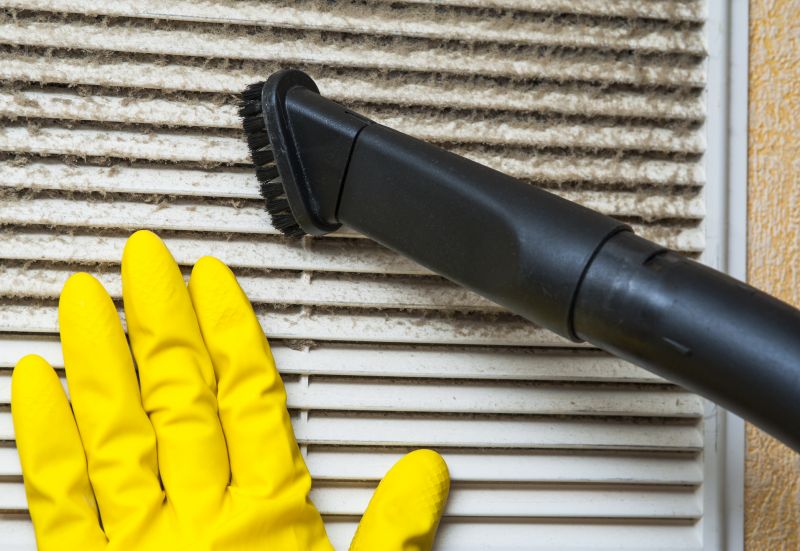
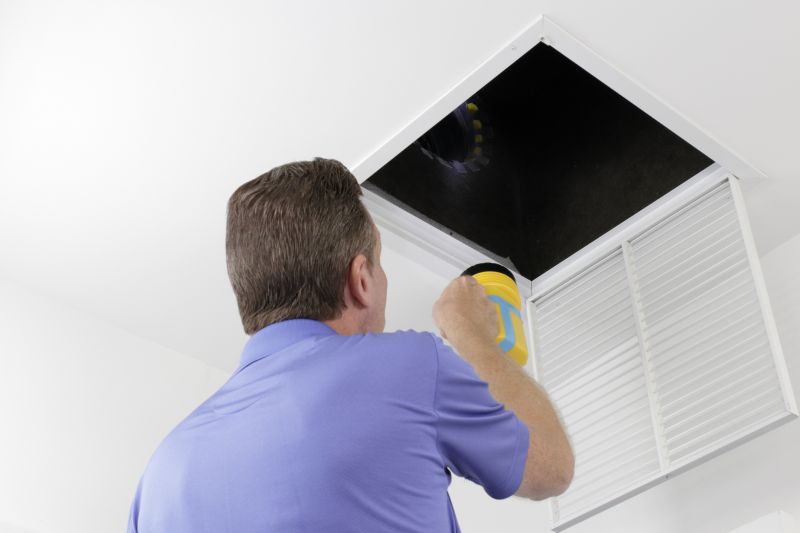
Many property owners in the area wonder how often commercial air ducts should be cleaned to maintain a healthy and efficient environment. Regular cleaning can help reduce dust buildup, improve indoor air quality, and ensure HVAC systems operate smoothly. Businesses and building managers often look into this topic when they notice increased dust, musty odors, or a decline in air circulation, prompting them to seek out local contractors who specialize in air duct cleaning services.
For most commercial spaces, it is generally recommended to have air ducts cleaned every three to five years, though this can vary depending on factors like the building’s usage, occupancy, and environmental conditions. Property owners considering these services might contact local contractors to evaluate their specific needs and determine the optimal cleaning schedule. Connecting with experienced service providers can help ensure that air ducts are properly maintained, supporting a cleaner and healthier indoor environment.
How often should commercial air ducts be cleaned? Typically, commercial air ducts should be cleaned every 3 to 5 years, but the frequency can vary based on the type of business, occupancy, and environmental factors. Local contractors can assess specific needs and recommend an appropriate cleaning schedule.
Are there signs that indicate commercial air ducts need cleaning? Yes, signs such as visible dust or debris, musty odors, increased allergy symptoms among staff, or reduced HVAC efficiency may suggest it's time for a duct cleaning. Service providers can perform inspections to determine if cleaning is necessary.
Does the type of business affect how often air ducts should be cleaned? Yes, businesses with higher dust, chemical, or allergen exposure, such as manufacturing or food service, may require more frequent cleaning. Local service providers can advise on optimal cleaning intervals based on business operations.
Can regular cleaning improve air quality in commercial spaces? Yes, professional cleaning can help remove dust, mold, and other contaminants, potentially improving indoor air quality. Local pros can provide cleaning services tailored to enhance air conditions in commercial environments.
Is there a recommended maintenance schedule for commercial air duct cleaning? Many experts suggest scheduling cleanings every 3 to 5 years, but this depends on factors like building size, usage, and environmental conditions. Local contractors can help establish a maintenance plan suited to specific needs.
Regular maintenance schedules - property owners can develop a routine plan for cleaning air ducts based on usage and environment, with local contractors providing guidance.
Assessing air quality concerns - if there are signs of dust buildup or allergies, property owners might consider scheduling a cleaning with local service providers to improve indoor air.
Considering business type and occupancy - high-traffic commercial spaces may need more frequent duct cleanings, which can be coordinated with local pros to maintain air quality standards.
Monitoring for mold or pest issues - detecting mold growth or pest activity can prompt immediate duct cleaning services from local contractors to address potential health risks.
If you are thinking about how often commercial air ducts should be cleaned for a property, this guide is meant to help you understand this topic, the typical project types, and how different options might fit your plans.
When you are ready, you can use the quote form on this page to share a few details about your project. From there, local pros can review the basics and follow up with options that match what you have in mind.