Get Central Heating Replacement
Central heating replacement services help property owners upgrade or install new heating systems to improve comfort, replace outdated equipment, and resolve heating failures.
If you're considering replacing your central heating system, you're in the right place to explore your options. Upgrading your heating can improve energy efficiency, enhance comfort throughout your property, and potentially reduce ongoing maintenance needs. Property owners in the area often look into heating replacement projects to ensure their homes stay warm and efficient, especially as systems age or become less reliable. Continuing to read can help you understand the benefits of modern systems and how local contractors can support your project planning.
Comparing local service providers is an important step in planning a central heating replacement. Many property owners find value in consulting with experienced contractors who understand the specific needs of homes in the community. By exploring available options, you can gather information about different systems, installation approaches, and the expertise of local professionals ready to assist with your project. Keep reading to discover how connecting with trusted local contractors can help you make informed decisions about your heating upgrade.
- Central Heating Replacement - when a current system is outdated or no longer efficiently heats a home.
- Furnace Upgrade - if the existing furnace is failing to provide adequate warmth during colder months.
- Heating System Modernization - for homeowners seeking to improve energy efficiency with a newer central heating setup.
- Emergency Heating Repairs - when a heating system breaks down unexpectedly, requiring immediate replacement options.
- System Upgrades for Renovations - during home renovations that involve upgrading or expanding the existing heating infrastructure.
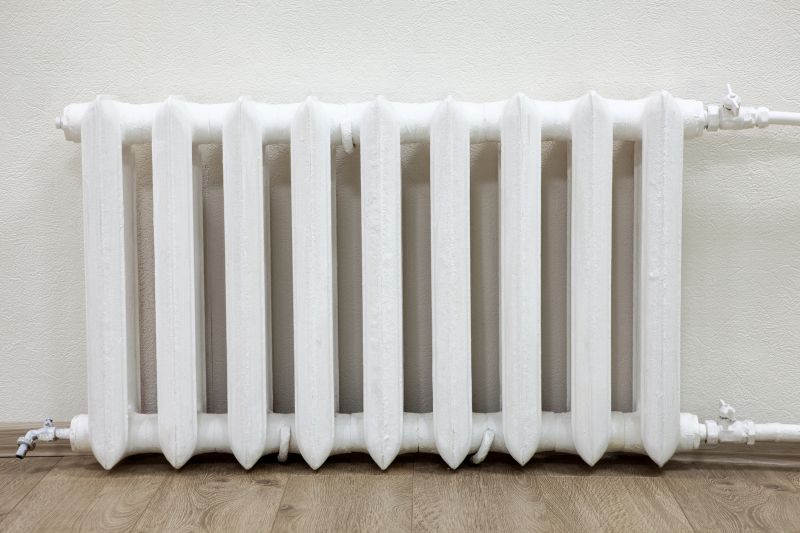
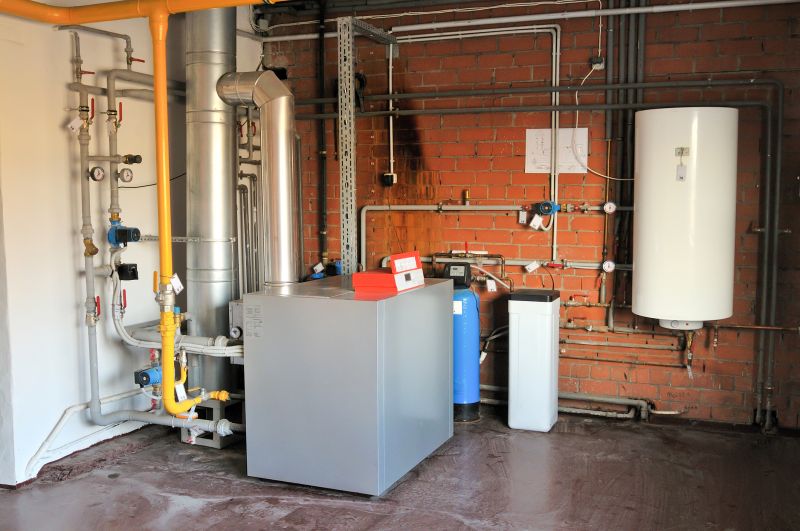
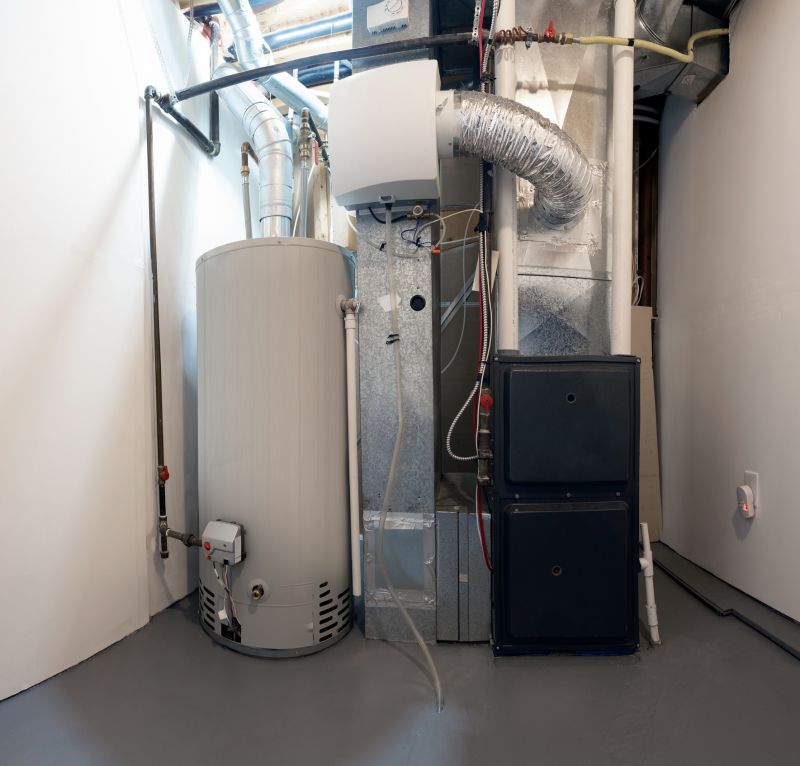
Central heating replacement services involve removing an outdated or malfunctioning heating system and installing a new, more efficient unit. This process typically includes assessing the property's existing heating setup, selecting a suitable replacement, and ensuring proper installation to provide reliable warmth throughout the home. Professional contractors focus on making sure the new system is correctly fitted, connected, and configured to operate smoothly and efficiently, helping homeowners enjoy consistent heating comfort.
These services help solve common problems such as uneven heating, rising energy bills, frequent breakdowns, or complete system failures. When a central heating system becomes increasingly unreliable or costly to repair, replacing it can be a practical solution. Upgrading to a modern unit can also improve energy efficiency, reduce utility expenses, and enhance overall comfort. Local service providers can evaluate the specific needs of a property and recommend the most appropriate heating system to address these issues effectively.
Properties that typically benefit from central heating replacement include older homes with outdated boilers or radiators, as well as newer buildings experiencing performance issues. Larger homes with multiple rooms often rely on central heating systems to provide even warmth, making a reliable, efficient setup essential. Commercial properties or multi-family residences may also require system upgrades to meet increased demand or improve energy management. These services are suitable for any property where the current heating system no longer meets comfort, efficiency, or operational needs.
Homeowners who notice frequent breakdowns, rising energy costs, inconsistent heating, or significant system age may find central heating replacement to be a worthwhile investment. A professional evaluation can determine whether a replacement is needed and identify the best options for the property’s size and layout. Connecting with experienced local contractors can ensure the job is completed correctly, helping to restore reliable warmth and improve overall energy efficiency in the home.
The overview below groups typical Central Heating Replacement projects into broad ranges so you can see how smaller, mid-sized, and larger jobs often compare in your area.
In many markets, a large share of routine jobs stays in the lower and middle ranges, while only a smaller percentage of projects moves into the highest bands when the work is more complex or site conditions are harder than average.
Smaller Repairs - minor heating system repairs or component replacements typically cost between $250 and $600. Many routine fixes fall within this range, depending on the specific parts needed and the complexity of the issue.
Mid-Range Replacements - replacing an entire central heating unit usually ranges from $3,000 to $6,000. Most projects of this scale fall into this band, with fewer exceeding higher amounts due to additional installation requirements.
Full System Overhaul - a comprehensive upgrade or complete replacement of a heating system can cost between $6,000 and $10,000. Larger, more complex projects in this range are less common but may involve upgraded features or extensive ductwork.
Large or Complex Installations - extensive heating system replacements or custom installations can reach $10,000 or more. These projects are less frequent and typically involve significant modifications or high-end equipment.
Actual totals will depend on details like access to the work area, the scope of the project, and the materials selected, so use these as general starting points rather than exact figures.
Boiler Installation - involves similar planning, tools, and skills for installing and replacing heating systems in residential or commercial properties.
Radiator Replacement - requires knowledge of heating system components and precise installation techniques comparable to central heating upgrades.
Hydronic Heating System Setup - involves configuring and installing water-based heating solutions that share technical aspects with central heating replacements.
Thermostat Installation - includes wiring and system integration skills relevant to modernizing and optimizing central heating controls.
Pipework Repair and Replacement - demands expertise in plumbing and system layout, similar to the planning needed for central heating system upgrades.
Furnace or Heat Pump Installation - involves similar technical skills and planning for installing alternative heating systems alongside central heating services.
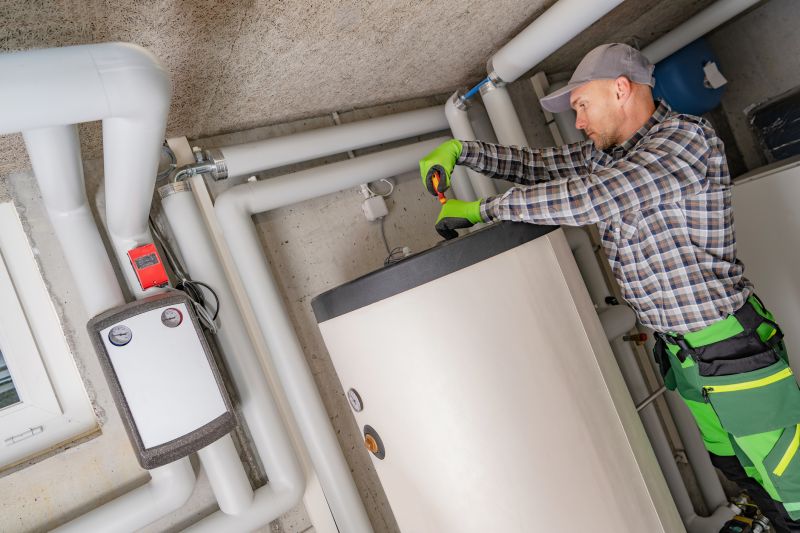
When comparing service providers for central heating replacement, it’s important to assess their experience with similar projects. Homeowners should look for local contractors who have a proven track record of successfully completing heating system replacements comparable in size and complexity. An experienced professional is more likely to understand the nuances of different heating systems, ensuring that the replacement is performed efficiently and effectively. Gathering information about past projects can provide insight into their familiarity with various equipment and installation methods, helping to identify those with relevant expertise.
Clear, written expectations are essential when evaluating potential service providers. Homeowners should seek detailed proposals or estimates that outline the scope of work, materials to be used, and any specific responsibilities of the contractor. This transparency helps ensure there are no misunderstandings about what the project entails and provides a basis for comparing different options. Reputable local contractors will often provide comprehensive documentation that clarifies the work process and sets realistic expectations, fostering a smoother installation experience.
Good communication and reputable references are key indicators of a reliable service provider. Homeowners should look for local pros who are responsive to inquiries and willing to answer questions thoroughly. Asking for references or reviews from previous clients can offer valuable insights into the contractor’s professionalism, quality of work, and reliability. While the site introduces homeowners to local options, it’s important to remember that it does not perform the work itself. Instead, it helps connect homeowners with trusted local service providers who can handle the project with clear communication and proven experience.
Property owners use Central Heating Replacement services for practical projects around their homes and businesses. This guide focuses on everyday jobs and straightforward project options.
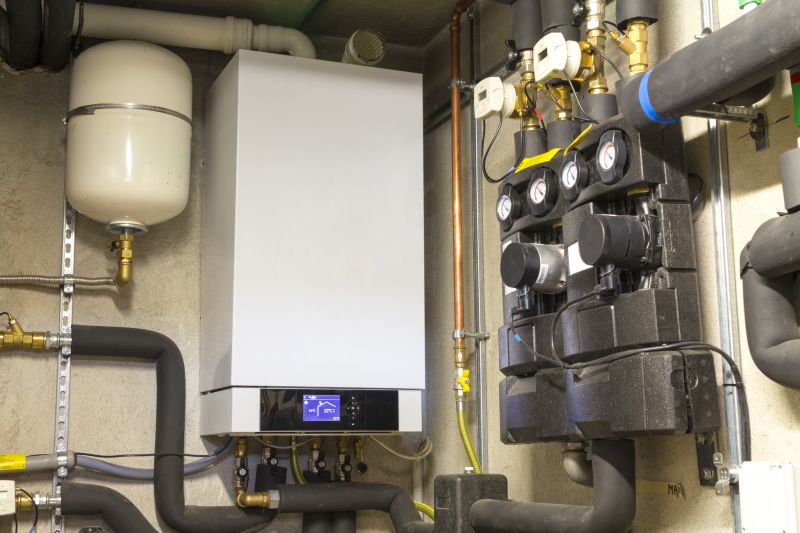
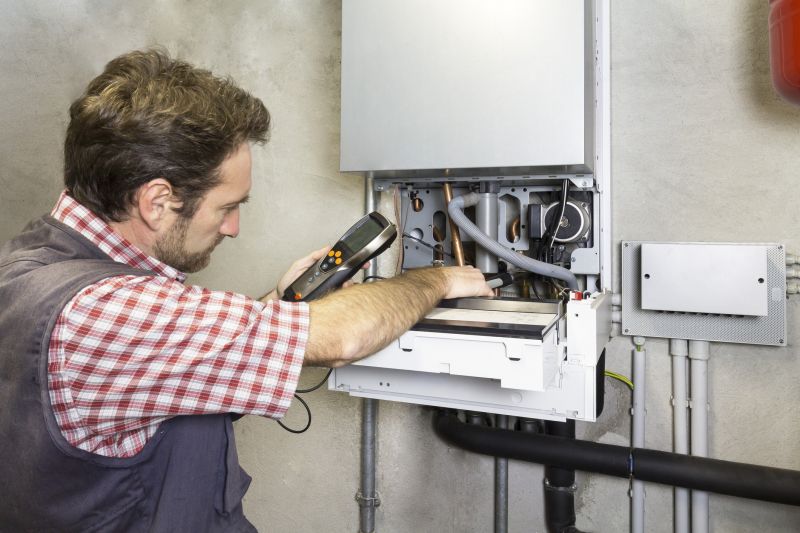
Central heating replacement is a common project for property owners experiencing an aging or inefficient system. Many might seek out local contractors when their existing boiler or radiator setup no longer heats reliably, or when repairs become too frequent and costly. Additionally, homeowners and landlords often look for new heating solutions to improve energy efficiency, reduce utility bills, or prepare their property for colder seasons.
Property owners may also consider replacing their central heating system due to outdated technology or to upgrade to more modern, user-friendly controls. In some cases, a system may no longer meet the demands of a growing household or a commercial space, prompting a search for experienced local service providers who can handle the installation or upgrade smoothly. These everyday situations highlight the importance of connecting with local contractors skilled in central heating replacement to ensure the work is completed efficiently and effectively.
What are signs that a central heating system needs replacing? Common indicators include frequent breakdowns, uneven heating throughout the property, increased energy bills, and outdated equipment that no longer operates efficiently.
How do I choose the right contractor for a central heating replacement? It's important to compare local service providers based on experience, customer reviews, and their ability to recommend suitable heating systems for your property.
What types of central heating systems are available for replacement? Options include traditional boilers, heat pumps, and modern high-efficiency systems, with local contractors able to advise on the best choice for your needs.
Can a central heating replacement improve energy efficiency? Yes, upgrading to a newer, more efficient system can help reduce energy consumption and improve overall heating performance.
What should I consider before replacing my central heating system? Consider factors such as the size of your property, existing infrastructure, and compatibility with new systems, with local service providers able to assist in assessing these aspects.
Assessing Heating System Efficiency - Property owners can use this service to evaluate their current central heating system and identify opportunities for improved performance and energy savings.
Upgrading to Modern Heating Units - Homeowners planning to replace an aging or inefficient boiler or furnace can connect with local contractors for professional installation of new, reliable heating equipment.
Planning for Seasonal Heating Improvements - Those preparing for colder months might explore options for upgrading or replacing their central heating to ensure consistent warmth during winter.
Customizing Heating Solutions - Property owners can work with local service providers to design a heating system tailored to their home's size and layout, enhancing comfort and efficiency.
If you are thinking about Central Heating Replacement for a property, this guide is meant to help you understand the work, the typical project types, and how different options might fit your plans.
When you are ready, you can use the quote form on this page to share a few details about your project. From there, local pros can review the basics and respond with options that match what you have in mind.