Get Mold Air Testing
Mold air testing services help property owners identify mold presence and contamination issues in homes or buildings by connecting them with local contractors.
If you suspect mold presence or want to ensure a healthy indoor environment, mold air testing services can provide valuable insights. Property owners in the area often consider this work when planning renovations, addressing moisture issues, or simply maintaining a safe living or working space. Finding reliable local contractors who specialize in mold air testing can help you gather the information needed to make informed decisions about your property’s condition.
Exploring your options for mold air testing is a practical step for those looking to compare local service providers and select the right solution for their needs. Whether you're undertaking a new project or responding to concerns about indoor air quality, connecting with experienced professionals can support your planning process. Keep reading to learn more about how local experts can assist with mold air testing and help you protect your property.
- Mold Air Testing - Individuals noticing musty odors or visible mold growth may need air testing to identify airborne mold spores.
- Indoor Air Quality Concerns - Homeowners experiencing unexplained allergy symptoms or respiratory issues might seek mold air testing services.
- Post-Remediation Verification - Property owners who have completed mold removal may require testing to confirm the effectiveness of remediation efforts.
- Real Estate Inspections - Buyers or sellers involved in property transactions might request mold air testing to assess indoor air quality.
- Water Damage Events - After flooding or leaks, property owners may need mold air testing to detect hidden mold growth caused by excess moisture.
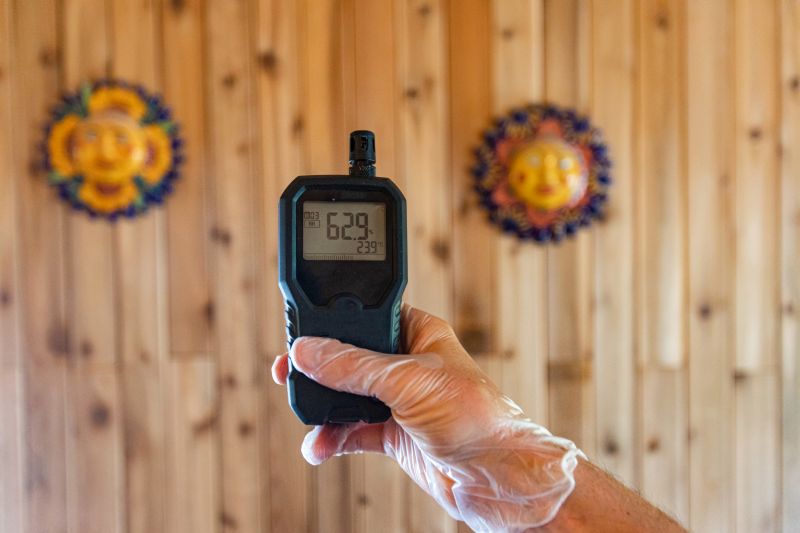
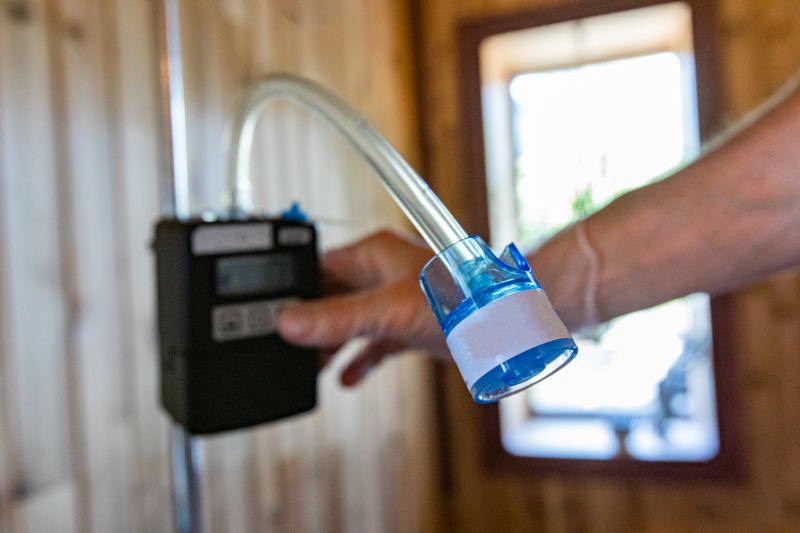
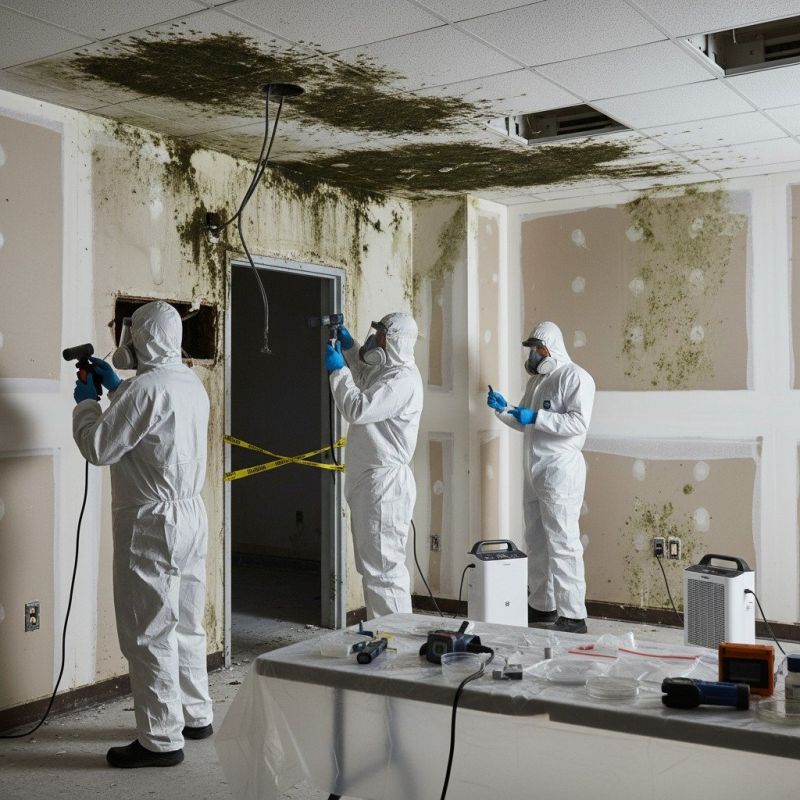
Mold air testing services involve collecting air samples from indoor environments to detect the presence of mold spores. These tests help identify whether mold is growing inside a property, even if visible signs are not immediately apparent. By analyzing the air for mold particles, service providers can determine the level of mold contamination and help homeowners understand if mold is affecting indoor air quality. This process is typically non-invasive and provides valuable information to guide further remediation or cleaning efforts.
Mold air testing is especially useful when occupants notice symptoms like allergies, respiratory issues, or persistent odors that may be linked to mold growth. It can also be an important step after water damage, leaks, or flooding, which create conditions conducive to mold development. Detecting mold in the air can help address problems early before they become more severe or cause structural damage. This service provides clarity for those unsure whether mold is present and helps determine the appropriate course of action.
Properties that often utilize mold air testing include residential homes, especially those with basements or attics prone to moisture buildup. Commercial buildings, such as offices, retail spaces, and rental properties, also benefit from air testing to ensure a healthy environment for occupants. Additionally, property managers and landlords may opt for testing when preparing to lease or sell a property, or after renovations to confirm that indoor air quality remains safe. Overall, any property experiencing unexplained odors, allergy symptoms, or visible mold growth might find mold air testing to be a valuable step.
Choosing to have mold air testing performed can be a practical solution for homeowners seeking peace of mind about their indoor environment. It helps pinpoint hidden mold issues that might not be visible to the naked eye but could still impact health and property value. Local service providers are equipped to conduct thorough testing, interpret results, and recommend appropriate next steps. Contacting a qualified contractor for mold air testing can be an effective way to address concerns and ensure a healthier living or working space.
The overview below groups typical Mold Air Testing projects into broad ranges so you can see how smaller, mid-sized, and larger jobs often compare in your area.
In many markets, a large share of routine jobs stays in the lower and middle ranges, while only a smaller percentage of projects moves into the highest bands when the work is more complex or site conditions are harder than average.
Smaller Tests - typical costs for basic mold air testing range from $250 to $600 for many smaller or routine jobs. Most projects fall within this middle range, depending on the size of the property and complexity. Fewer projects extend into higher price tiers.
Moderate Inspections - more comprehensive mold testing services usually cost between $600 and $1,200. These projects often involve larger areas or additional sampling, which can increase the overall cost. Many local contractors handle these within this range.
Extensive Assessments - larger or more detailed mold investigations can range from $1,200 to $3,000. Such projects are less common but may be necessary for complex or multi-room inspections requiring multiple samples and analysis.
Full Mold Remediation Testing - in cases where testing is part of a remediation project, costs can reach $3,000 or more, especially for extensive or multi-phase work. These higher costs reflect the scope of testing needed to support large-scale mold removal efforts.
Actual totals will depend on details like access to the work area, the scope of the project, and the materials selected, so use these as general starting points rather than exact figures.
Indoor Air Quality Assessments - professionals who evaluate overall air quality often perform mold air testing as part of their comprehensive assessments.
Environmental Inspection Projects - inspectors conducting environmental assessments use air sampling techniques similar to mold testing to detect airborne contaminants.
Building Inspection Services - building inspectors may include mold air testing in their evaluations to identify hidden mold issues affecting indoor environments.
Water Damage Restoration Projects - restoration experts assess moisture levels and perform air testing to identify mold presence resulting from water intrusion.
HVAC System Testing and Balancing - technicians testing airflow and indoor air quality often utilize similar sampling tools used in mold air testing.
Asbestos and Toxic Material Surveys - surveyors may incorporate air sampling methods that overlap with mold testing techniques to detect airborne hazards.
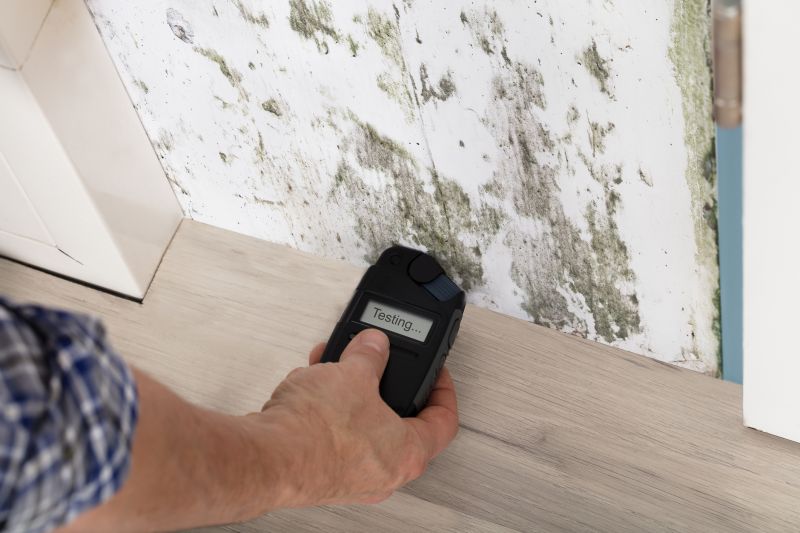
When comparing service providers for Mold Air Testing, it’s important to evaluate their experience with similar projects. Homeowners should look for local contractors who have a history of handling mold testing in residential settings comparable to their own. An experienced provider will understand the nuances of different home environments and be better equipped to recommend appropriate testing methods. This background can help ensure the testing process is thorough and that the results are reliable, providing a clearer picture of any mold issues within the home.
Clear written expectations are essential when choosing a mold testing service. Homeowners should seek out providers who can offer detailed explanations of what the testing process involves, what types of samples will be taken, and how the results will be interpreted. Having this information in writing helps establish a mutual understanding of the scope of work and reduces the chances of misunderstandings later on. It also allows homeowners to compare proposals more effectively and select a provider who aligns with their needs.
Reputation and communication are key factors in selecting a reliable mold air testing service. Homeowners can benefit from seeking local contractors who can provide reputable references or reviews from previous clients. Good communication throughout the process-such as prompt responses to questions and clear explanations of findings-can make the experience smoother and more transparent. Remember, this site introduces homeowners to local options and does not perform the testing itself; it’s important to contact the service providers directly to assess their experience, clarity, and reputation before making a decision.
Property owners use Mold Air Testing services for practical projects around their homes and businesses. This guide focuses on everyday jobs and straightforward project options.
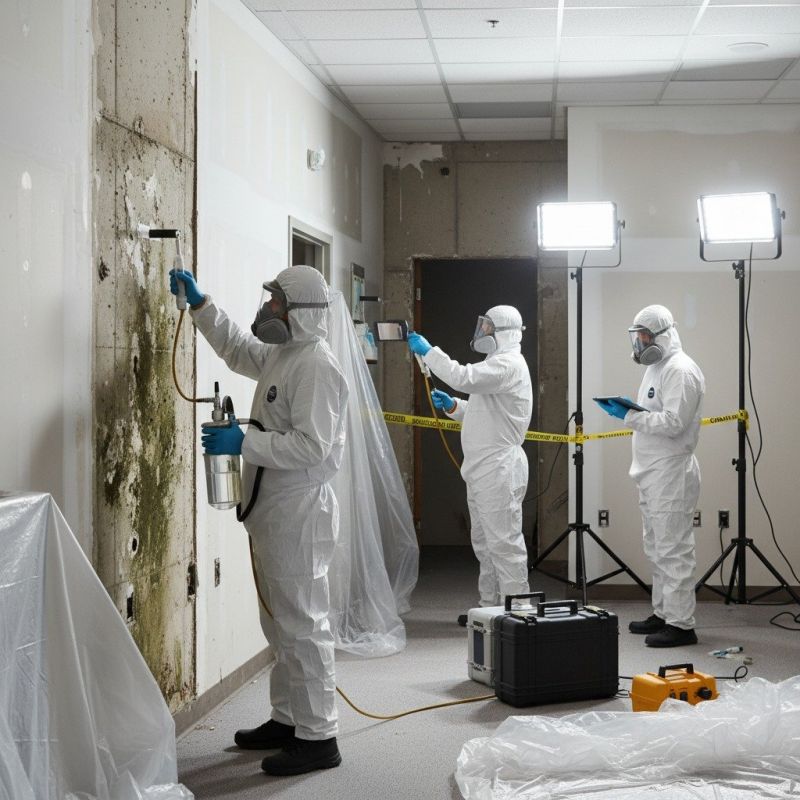
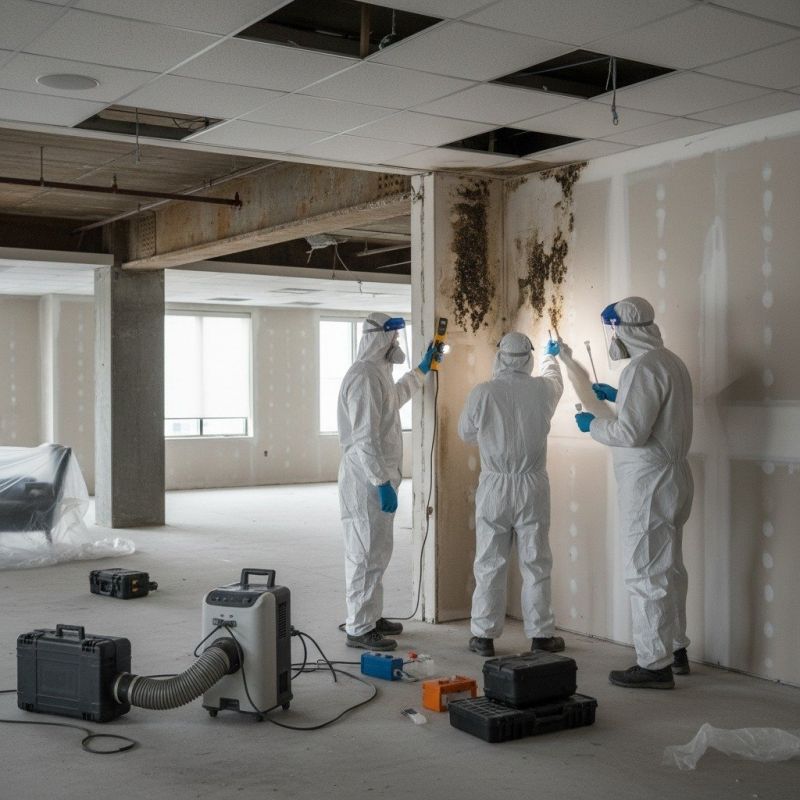
Mold air testing services are often sought by property owners dealing with lingering musty odors or visible mold growth inside their homes or commercial spaces. These tests help identify whether mold spores are present in the indoor air, which can be a concern for those experiencing unexplained allergy symptoms or respiratory issues. Local contractors specializing in mold air testing can provide the necessary assessments to determine if mold is affecting indoor air quality, especially after water damage, leaks, or renovations.
Property owners may also consider mold air testing when purchasing a new property or after repairs to ensure the environment is safe and free from mold contamination. Regular testing can help detect hidden mold growth behind walls or in hard-to-reach areas, providing peace of mind and informing necessary remediation steps. Local service providers are equipped to handle these assessments and assist in creating healthier indoor environments.
What is mold air testing? Mold air testing involves sampling the air in a space to detect the presence and concentration of mold spores, helping identify potential indoor air quality issues.
Why should I consider mold air testing? Mold air testing can help determine if mold is affecting indoor air quality, especially if there are symptoms or visible mold growth, guiding appropriate remediation efforts.
How do local contractors perform mold air testing? Certified service providers use specialized equipment to collect air samples, which are then analyzed to identify mold types and levels present in the environment.
What areas are typically tested during mold air testing? Testing usually covers indoor spaces such as basements, attics, bathrooms, and other areas prone to moisture or previous water damage.
Can mold air testing detect all types of mold? Mold air testing can identify many common mold spores in the air, but it may not detect every mold type or surface mold growth without additional testing methods.
Identify Hidden Mold Sources - Mold air testing can help property owners locate hidden mold growth behind walls or in difficult-to-reach areas.
Ensure Indoor Air Quality - Testing services enable homeowners to assess if mold spores are affecting the air quality inside their homes.
Evaluate Post-Remediation Results - After mold removal, air testing can confirm whether the environment has been effectively cleared of mold spores.
Detect Mold in New or Renovated Spaces - Property owners can use mold air testing to check for mold presence after construction or renovation projects.
If you are thinking about Mold Air Testing for a property, this guide is meant to help you understand the work, the typical project types, and how different options might fit your plans.
When you are ready, you can use the quote form on this page to share a few details about your project. From there, local pros can review the basics and respond with options that match what you have in mind.